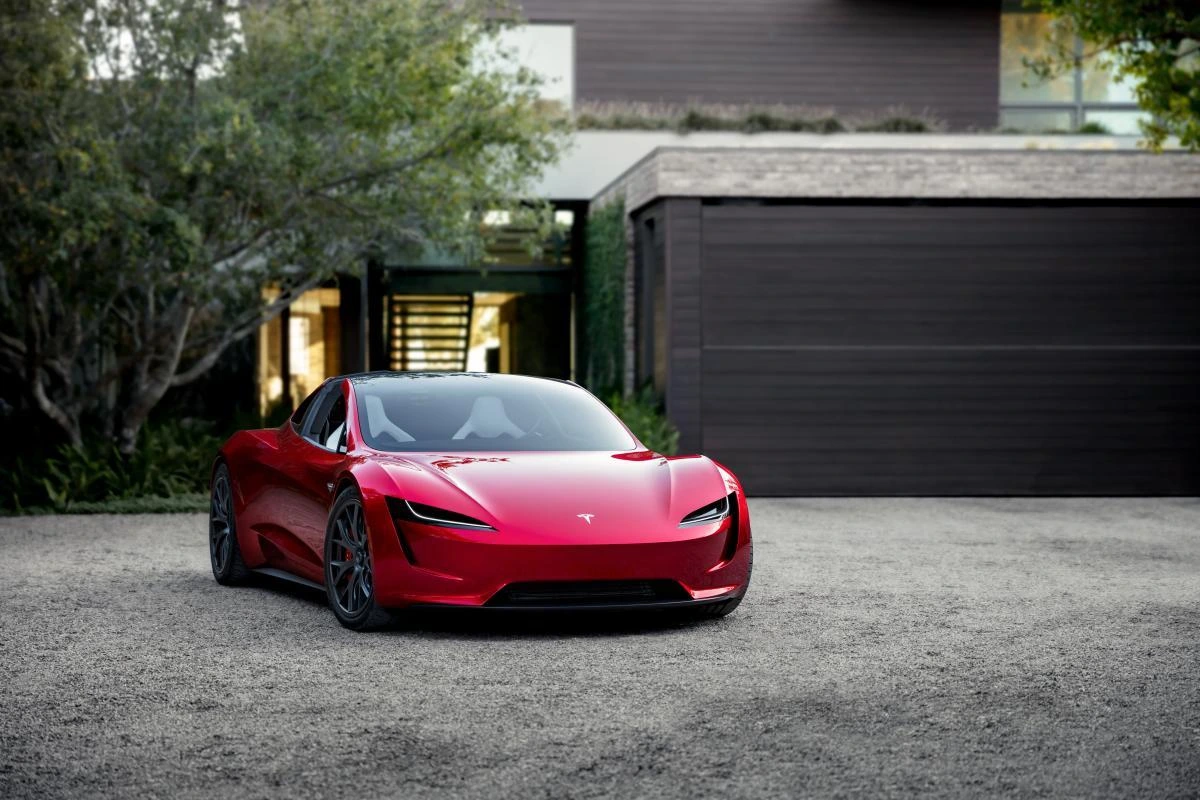
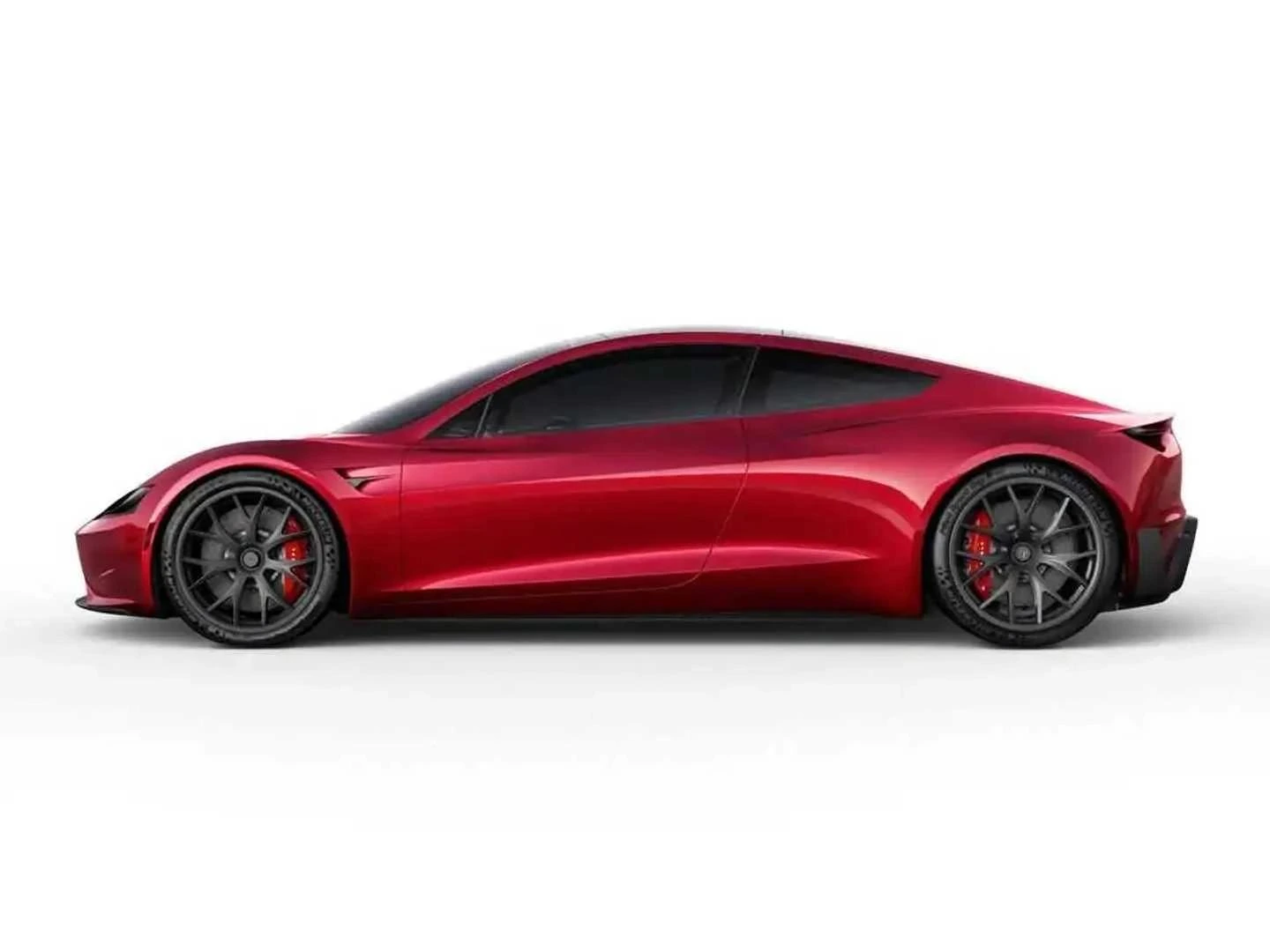
The new Tesla Roadster has finally returned to the spotlight after years of delays, ambitious promises, and growing questions about when the electric supercar would reach customers. Tesla unveiled a redesigned version of its second-generation Roadster on October 15, 2026, showcasing a vehicle that combines high-performance electric driving with technology developed alongside SpaceX.
The reveal gives enthusiasts a clearer look at Tesla’s plans, including acceleration-focused versions and a proposed thruster-equipped model. However, some of the most dramatic claims still need to be judged against final production specifications, real-world testing, pricing, and road-use regulations.
Tesla originally promised a 620-mile driving range and a 0–60 mph time of 1.9 seconds when it introduced the next-generation Roadster in 2017. The latest version has evolved considerably, and the company is now targeting production in 2028. Here is what buyers need to know about its performance, range, expected price, SpaceX technology, and potential rivals.
1. Why the Tesla Roadster Reveal Matters After Years of Delays
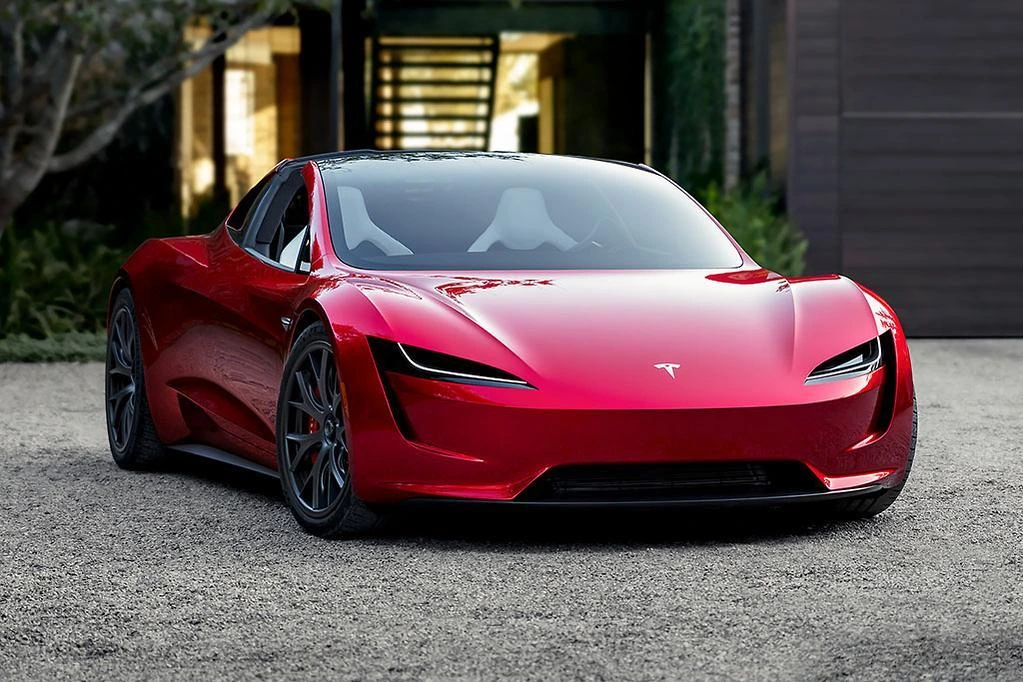
Tesla first introduced the second-generation Roadster in November 2017. At the time, the company presented it as a major step forward for electric performance cars, promising extraordinary acceleration, a top speed above 250 mph, and a range of up to 620 miles.
The original plan called for customer deliveries to begin in 2020. That target passed without the car entering production, and subsequent launch expectations were pushed back repeatedly. Tesla’s focus on expanding its mainstream vehicle lineup, developing other technologies, and managing manufacturing challenges contributed to the Roadster’s long wait.
The latest reveal is significant because it moves the project beyond the original concept shown nearly nine years ago. Tesla displayed a substantially redesigned vehicle and demonstrated unusual aerodynamic and thruster-related technology. The company also outlined a new direction for the Roadster, with different versions intended to offer varying levels of performance and specialized hardware.
However, a reveal is not the same as a production launch. Buyers still need confirmed delivery dates, final prices, complete technical specifications, and evidence that the advertised capabilities will be available on customer vehicles.
Tesla has indicated a 2028 production target, but that should be treated as a planned timeline rather than a guarantee of deliveries.
2. Expected Acceleration, Top Speed and Range
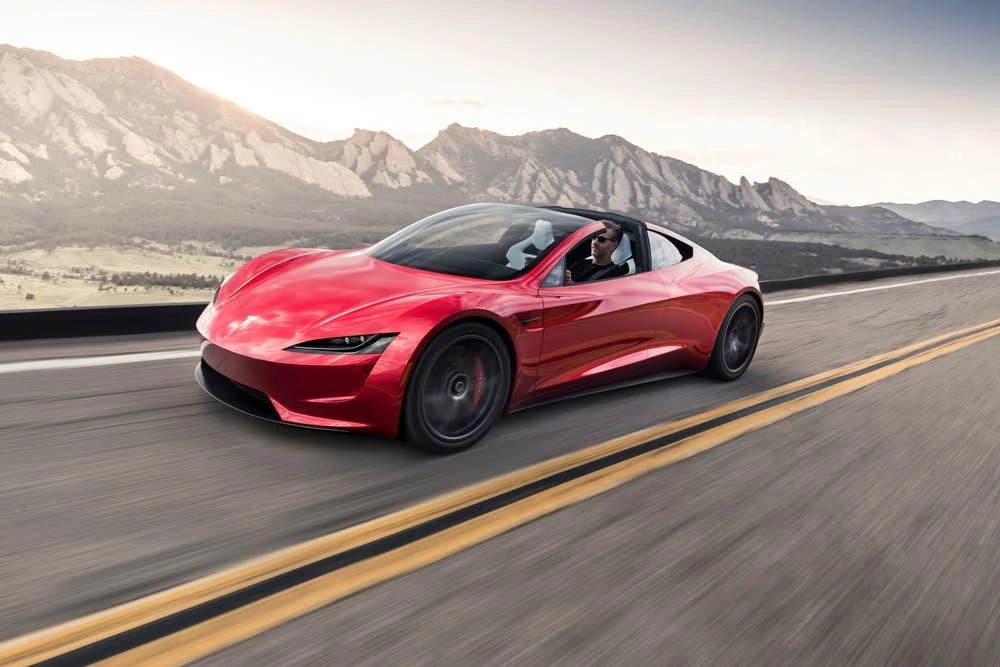
Performance has always been the main selling point of the Tesla Roadster. The original claims were ambitious, and the latest version continues to target the upper end of the electric performance-car market.
Acceleration: A Sub-One-Second Claim
Tesla’s original 2017 figures included a claimed 0–60 mph time of 1.9 seconds. The latest reveal introduced more aggressive acceleration claims for versions equipped with additional performance hardware.
Tesla’s updated lineup distinguishes between a standard Performance version and more specialized versions featuring acceleration thrusters. The company has claimed sub-one-second acceleration for a thruster-equipped configuration, but buyers should check the exact version, test conditions, and final production specifications before treating that figure as a verified real-world result.
Such acceleration would place the Roadster among the most extreme performance vehicles ever proposed for public-road use. It would also make traction, tire performance, braking, and passenger forces important considerations, not simply headline numbers.
Top Speed: More Than 230 mph Claimed
The original Roadster was advertised with a top speed above 250 mph. Following the latest reveal, Tesla has cited a top speed above 230 mph for its Rocket version.
These figures should not be mixed together as if they describe the same configuration. The original target and the latest version-specific claim come from different stages of the project. Tesla still needs to establish the final specifications for each model and clarify which features can be used legally on public roads.
For a vehicle intended to operate at extreme speeds, high-speed stability, braking performance, tire ratings, cooling, and aerodynamic balance matter as much as the top-speed figure itself.
Range: The Original 620-Mile Promise
Range is one of the biggest questions surrounding the new Tesla Roadster. In 2017, Tesla advertised up to 620 miles of range on a single charge. That figure helped distinguish the car from many electric sports cars and performance sedans.
Following the 2026 reveal, reporting on Tesla’s updated Roadster information indicates a range claim of more than 300 miles. This is a major change from the original target, although the final certified range will depend on the production vehicle, battery configuration, wheels, tires, and testing cycle.
Buyers should also remember that sustained high-speed driving can consume energy much faster than ordinary commuting. A car capable of extreme acceleration and high top speeds may deliver a very different range during spirited driving than it does under standardized testing.
Until official certification and customer testing are available, the latest range figure should be treated as a manufacturer claim rather than a guarantee of real-world driving distance.
3. What Tesla Has Said About SpaceX Thrusters
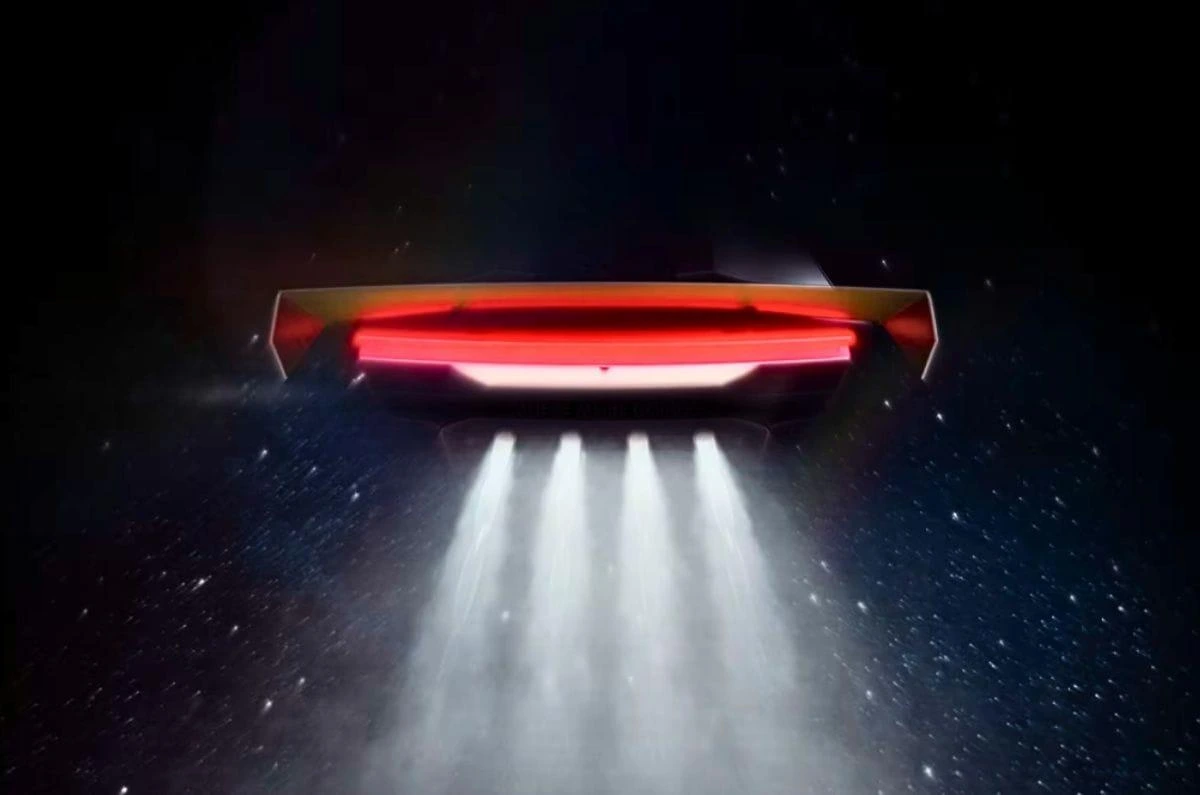
One of the most unusual features associated with the new Roadster is its SpaceX-inspired thruster technology. Elon Musk first discussed a SpaceX option package in 2018, describing small rocket-style thrusters arranged around the vehicle.
The concept is intended to deliver additional force beyond what the tires alone can transmit to the road. In theory, that could help the car accelerate more aggressively and potentially assist with other specialized maneuvers.
At the October 2026 reveal, Tesla demonstrated a vehicle using thruster-related hardware and a suction system during dramatic stunts. The demonstration attracted attention because it went well beyond the capabilities normally associated with a conventional road car.
However, several practical questions remain.
First, the exact hardware and operating limits need to be understood for each version. Second, the use of thrusters and specialized aerodynamic systems raises questions about safety, maintenance, and operating restrictions. Third, a demonstration does not automatically establish that every feature will be approved for ordinary public-road use.
Tesla’s proposed versions also differ in their equipment. The Performance model is positioned as the road-focused option, while Thrust and Rocket configurations add more specialized technology. The Rocket version has been described as an invite-only model with a full flight system, so it should not be assumed to be an ordinary street-legal sports car.
For buyers, the important distinction is between technology demonstrated at an event and features that will be available, practical, and legally usable on a delivered vehicle.
4. Expected Price and Production Timeline
The Tesla Roadster’s price remains one of the largest unanswered questions. When Tesla introduced the second-generation model in 2017, it quoted a starting price of approximately $200,000. It also offered a more expensive Founders Series reservation.
That original figure should not be treated as the confirmed price of the redesigned 2026 vehicle. Tesla has not provided a final purchase price for the new versions, and the additional hardware planned for specialized configurations could affect their eventual cost.
The reservation process is also different from a completed purchase. A deposit secures a place in a reservation process under the applicable terms; it does not establish the final price, delivery date, or guaranteed specification of a production vehicle.
When Will the New Tesla Roadster Enter Production?
Tesla is targeting production in 2028, according to reporting following the October 15 reveal. That puts the vehicle well beyond its original 2020 delivery target.
Even with a production target announced, several steps remain before customers can take delivery. Tesla must finalize the engineering, validate safety and reliability, prepare manufacturing, and establish the certification requirements for the markets where the car will be sold.
A limited-production performance vehicle with unusual systems may face additional development and regulatory challenges. Buyers should therefore look for firm production milestones, confirmed order terms, and delivery information before making financial commitments based on an expected launch date.
For now, the most accurate description is that the Roadster has been revealed, production is targeted for 2028, and final pricing and delivery details remain to be confirmed.
5. How the Tesla Roadster Could Compare With Electric Performance Cars
The Roadster is intended to occupy a different space from everyday electric vehicles. Its priorities are extreme acceleration, high speed, dramatic styling, and technology that could make it a flagship for Tesla.
Its closest comparisons depend on which characteristics matter most. The Rimac Nevera, for example, is an established electric hypercar known for extraordinary acceleration and high performance. High-performance versions of the Porsche Taycan offer a different balance, combining rapid acceleration with a more conventional luxury-sports-car format. The Lucid Air Sapphire is a high-powered electric sedan that emphasizes straight-line performance while retaining four-door practicality.
The Tesla Roadster’s potential advantage is the combination of an electric sports-car platform with its proposed thruster and aerodynamic systems. But those technologies also make a direct comparison more complicated.
| Model | Main appeal | What buyers should compare |
| Tesla Roadster | Extreme acceleration and experimental performance technology | Final specifications, range, price, road legality, and delivery timing |
| Rimac Nevera | High-performance electric hypercar engineering | Verified performance, cost, availability, and support |
| Porsche Taycan Turbo GT | Track-focused performance with a more conventional vehicle layout | Track capability, comfort, charging, and everyday usability |
| Lucid Air Sapphire | Very high performance in a luxury electric sedan | Acceleration, cabin space, range, and practical ownership |
The comparison is not just about which vehicle has the fastest claimed acceleration. Buyers should consider how each car performs under repeatable conditions, how far it can travel between charges, how it behaves on a track, and how easily it can be serviced.
The Roadster’s specialized versions may also differ significantly in intended use. A road-focused model should be compared with other road-legal cars, while an invite-only version with a flight system belongs in a separate category until its operating restrictions are clear.
6. What the Reveal Confirms—and What Buyers Still Need to Know
The October 15 event has answered some questions about the Roadster while leaving several major purchasing decisions unresolved.
What the Reveal Has Established
- A redesigned vehicle: Tesla has shown a substantially updated second-generation Roadster rather than relying solely on the 2017 concept.
- A planned production timeline: The company is targeting production in 2028, although that date is not a delivery guarantee.
- Different performance configurations: Tesla has outlined Performance, Thrust, and Rocket versions with different equipment and intended uses.
- SpaceX-inspired technology: Thruster-related hardware and a suction-based system were part of the dramatic demonstrations associated with the reveal.
- A changed range target: The latest reported range claim is more than 300 miles, compared with the original 620-mile target announced in 2017.
These points describe what Tesla has presented or claimed. They do not mean every performance number has been independently verified or that all demonstrated features will be available for public-road driving.
What Buyers Still Need to Know
Before placing an order or relying on the Roadster for a future purchase, buyers should look for answers to these questions:
- What is the final price of each version, including optional equipment?
- What range will each configuration receive under official testing?
- Which acceleration and top-speed claims apply to the production car?
- Which versions are approved for public-road use in the buyer’s country?
- What are the final reservation, cancellation, and refund terms?
- When will production actually begin, and when will customer deliveries start?
- What maintenance, insurance, and warranty restrictions apply to the thruster system?
- How will the vehicle perform during repeat acceleration runs, high-speed driving, and track use?
These details matter because the Roadster is being marketed on a combination of extraordinary claims and specialized engineering. A dramatic demonstration can show what a prototype is capable of doing under specific conditions, but it cannot replace production specifications, independent testing, or clear ownership terms.
Final Verdict
The new Tesla Roadster remains one of the most ambitious electric performance-car projects. Its redesigned exterior, proposed SpaceX thrusters, and extreme acceleration claims give it a distinctive identity in a market that already includes very fast electric hypercars.
But the reveal is only one milestone. Tesla is targeting production in 2028, while final pricing, certified range, independently verified performance, and the legal status of its most unusual features still deserve close attention.
For enthusiasts, the Roadster is a fascinating glimpse at how far electric performance technology may go. For prospective buyers, patience is the sensible approach: wait for final specifications, clear purchase terms, and credible evidence of production readiness before treating the headline claims as settled facts.