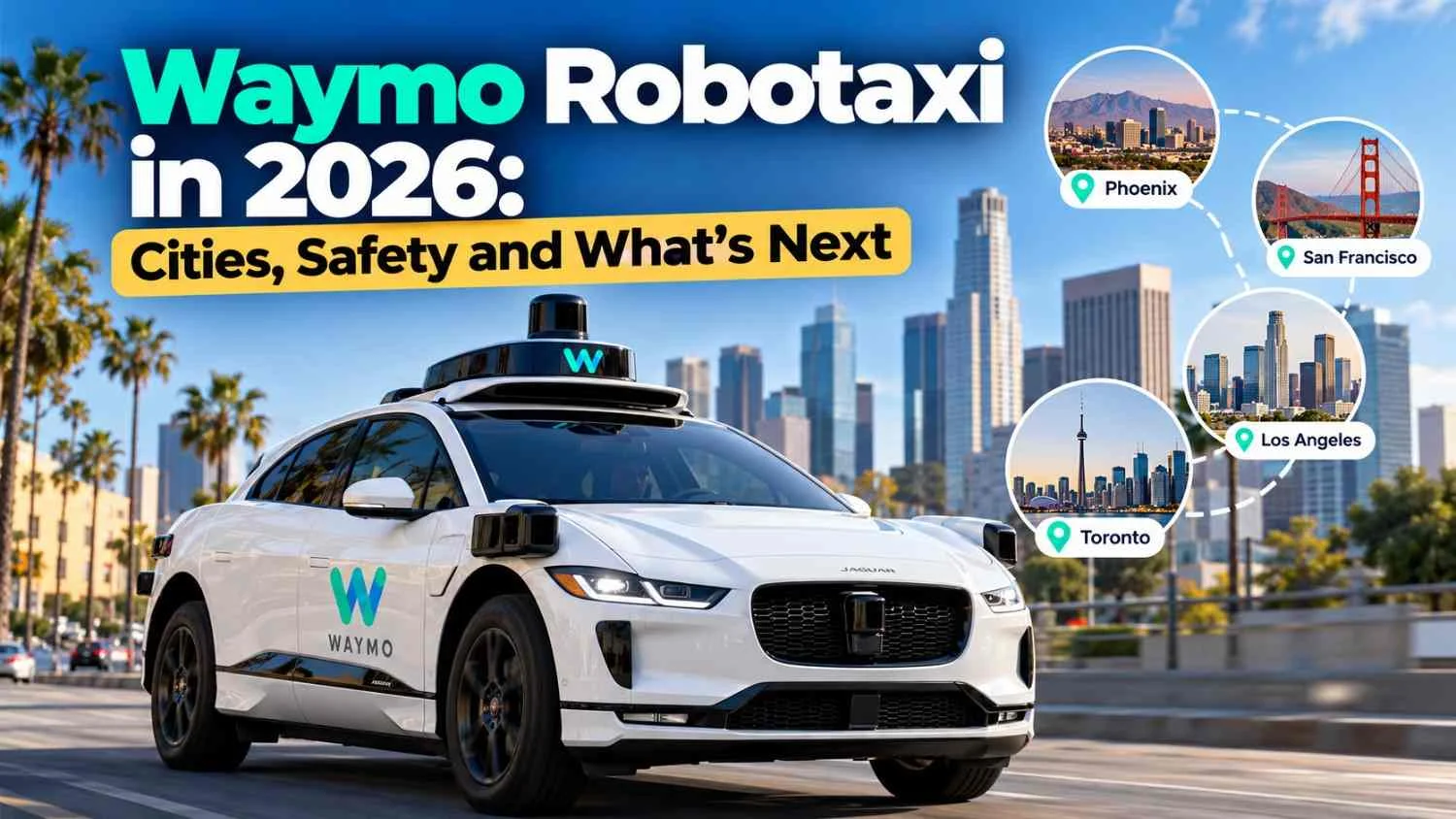
Waymo Robotaxi in 2026: The Waymo robotaxi is no longer a Phoenix experiment. As of late October 2026, a Waymo robotaxi can pick you up in 15 US metro areas, and the company says it now delivers more than 500,000 paid rides every week. Waymo has also announced international plans for its robotaxi service, with Toronto, Madrid, Tokyo and Singapore all on the list. Here is where the Waymo robotaxi service stands today, how safe the data says it is, and where it goes next.
What Is a Waymo Robotaxi?
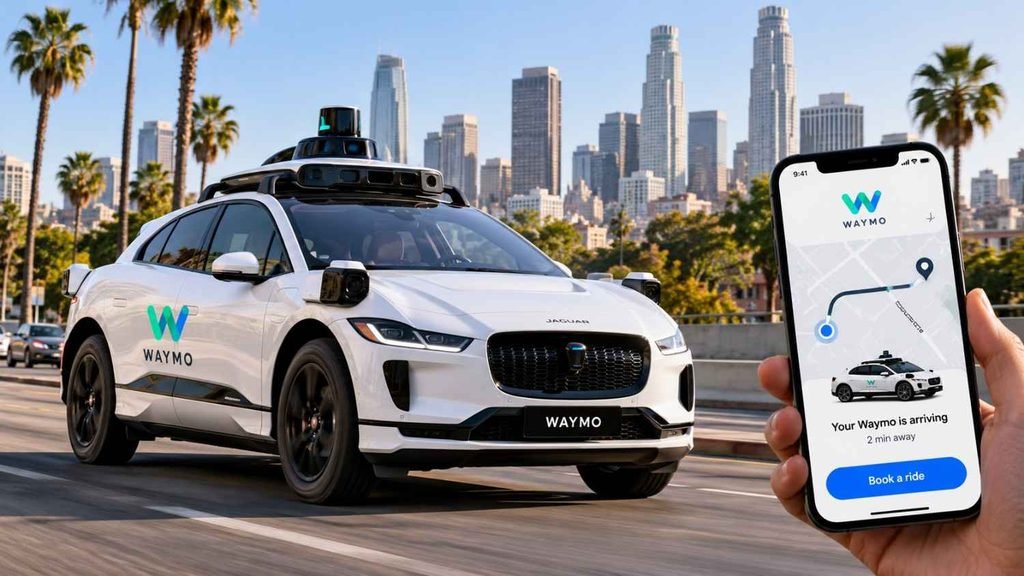
A Waymo robotaxi is a fully driverless ride-hailing car. There is no one in the driver’s seat. You book a ride in an app, the car arrives, and the Waymo Driver, the company’s autonomous driving system, handles every part of the trip. Waymo began in 2009 as Google’s self-driving car project and opened its public robotaxi service in Phoenix in 2020. It then grew to San Francisco in 2022 and Los Angeles in 2023, according to the Insurance Institute for Highway Safety (IIHS).
The Waymo robotaxi fleet is now above 4,000 vehicles, according to Waymo’s figures from September 1, 2026. Most are Jaguar I-PACE electric SUVs. Roughly 300 are the newer sixth-generation Ojai vehicles built with Zeekr.
Where Is Waymo Available Right Now?
The Waymo robotaxi network covers 15 US metro areas: Phoenix, the San Francisco Bay Area, Los Angeles, San Diego, Denver, Las Vegas, Atlanta, Austin, Dallas, Houston, San Antonio, Orlando, Tampa, Miami and Nashville.
Access to the Waymo robotaxi still varies by city. Here is the recent timeline:
- September 1, 2026: Paid, driverless service opened in Denver, San Diego and Tampa.
- September 14, 2026: Las Vegas opened to paying riders, the company’s first Nevada service.
- October 14, 2026: San Antonio, San Diego and Tampa opened to everyone.
- Nashville: Open to everyone since June 25, 2026, and bookable through Lyft since September 9.
Denver and Las Vegas are still adding riders gradually. If you are in one of those cities, expect to join a waitlist or an invitation list before you can book.
How Safe Is Waymo?
Safety is the question every Waymo robotaxi rider asks first, and there are now two sources to check: Waymo’s own data and an independent study.
Waymo’s latest robotaxi safety update, published on September 24, 2026, covers more than 270 million rider-only miles through June 2026. Compared with human drivers over the same distance, the company reports:
- 82% fewer injury-causing crashes
- 95% fewer crashes with serious injuries or worse
- 93% fewer pedestrian injury crashes
- 86% fewer cyclist injury crashes
- 82% fewer motorcyclist injury crashes
Because those numbers come from the company itself, the independent check matters. In July 2026, the IIHS found that each Waymo robotaxi had crash rates 68% lower per mile than human drivers across the metros it studied. Phoenix was 76% lower, Los Angeles 71% lower and San Francisco 35% lower. Austin came in 4% higher, though the sample there was small and IIHS drew no firm conclusion.
IIHS also added a caution. It said the current crash-reporting system “isn’t good enough to allow continuous monitoring of a large-scale expansion.” In plain terms, the early results look strong, but regulators and researchers still need better data as the Waymo robotaxi fleet grows.
Freeways and Airports: What Has Changed
Waymo robotaxi freeway rides were paused in late May 2026 and began returning on July 29, starting in Phoenix. Austin riders on select Uber trips also began getting freeway routes in the week of September 22. Los Angeles and the Bay Area were announced to follow, though a confirmed restart date has not been published.
Airport access is also uneven. Waymo serves Phoenix Sky Harbor, San Antonio International and San José Mineta. San Francisco International was reported paused in July, and Miami and Las Vegas airport service is not yet open to the public. Check the app before you plan a Waymo robotaxi trip to the airport.
What Comes Next for the Waymo Robotaxi
The company’s stated goal is 1 million weekly paid rides by the end of 2026. InsideEVs has also reported plans for a fleet of about 20,000 vehicles by the end of 2027.
The Waymo robotaxi expansion list is long:
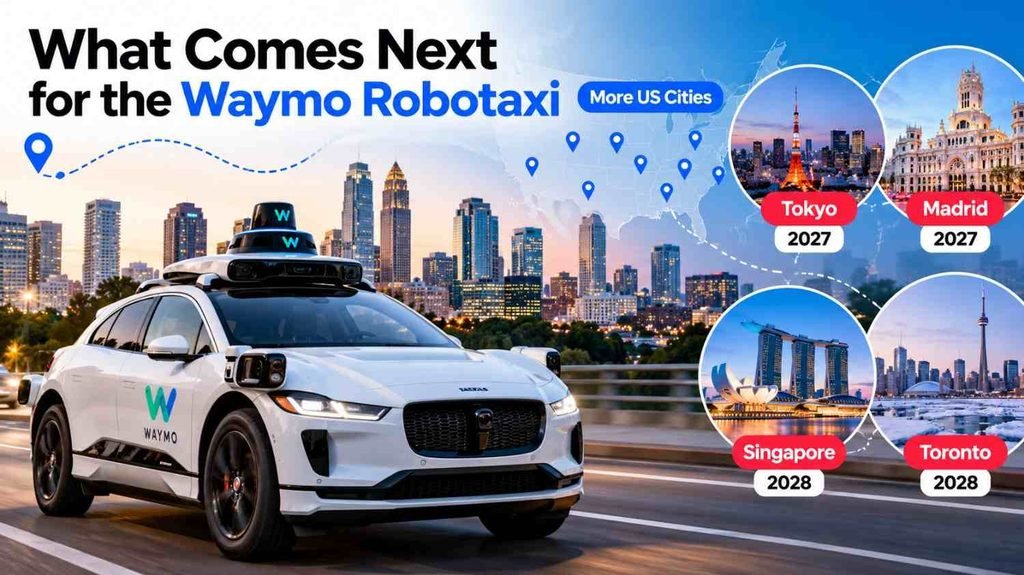
- More US cities: Baltimore, Boston, Charlotte, Chicago, Detroit, Minneapolis, New Orleans, New York, Philadelphia, Pittsburgh, Portland, Sacramento, Seattle, St. Louis and Washington, DC are all listed as “up next,” though no dates have been given.
- Tokyo and Madrid: First riders are planned for 2027.
- Singapore and Toronto: Riders are targeted for 2028. Toronto’s snow, ice and low visibility will be a real test of the technology.
The Toronto launch begins with high-definition mapping and gradual validation by trained specialists. Fully driverless rides come only after the system is adapted to local roads and weather.
Should You Ride a Waymo Robotaxi?
If you live in one of the open cities, the practical answer is yes, with a few sensible checks. Open the Waymo robotaxi app (or Lyft in Nashville) to confirm service in your area, since coverage zones differ from city to city. Check whether your pickup spot is eligible, and confirm freeway or airport access before you rely on it.
For everyone else, the Waymo robotaxi story is about speed. A Waymo robotaxi service that covered one metro area six years ago now runs in 15 and has more on the way. The next year will show whether the Waymo robotaxi safety record holds as the fleet grows past 4,000 vehicles.