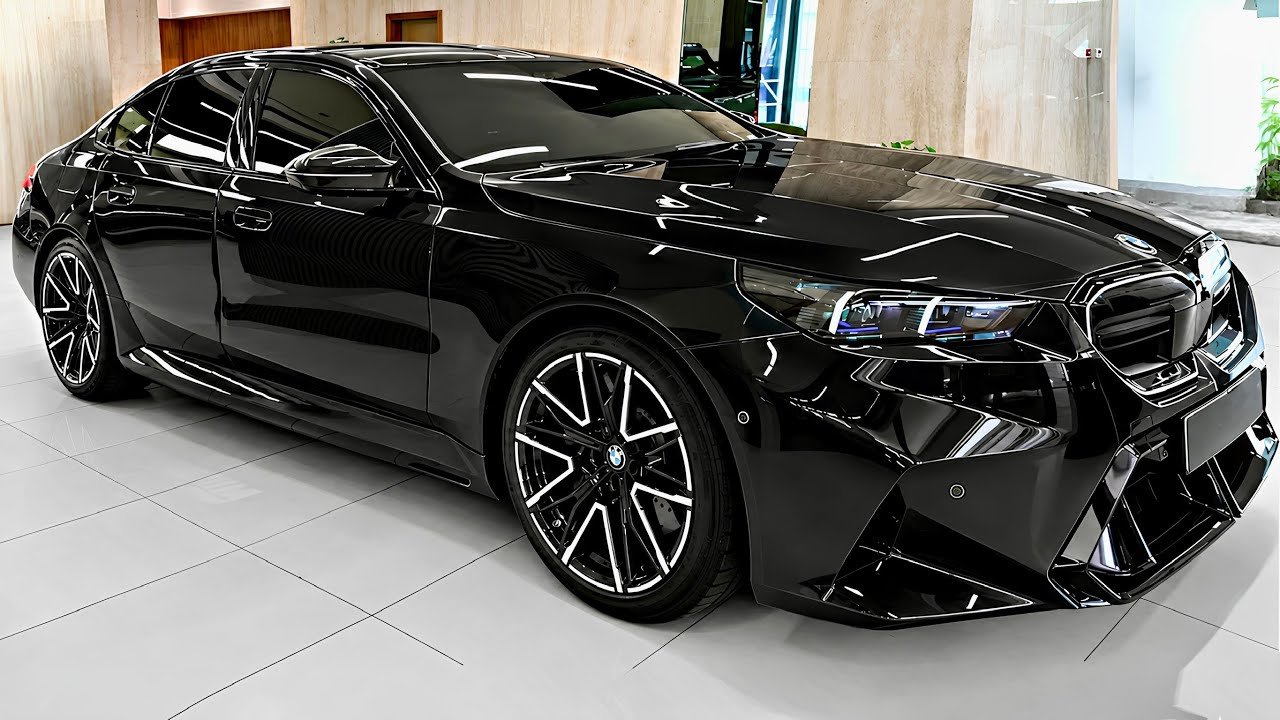
2027 BMW M5: The 2027 BMW M5 represents the perfect combination of executive luxury, aggressive styling, and high-performance engineering. Known for bringing sports-car excitement to a practical four-door sedan, the BMW M5 has earned a special place among enthusiasts who want thrilling acceleration without sacrificing everyday comfort. The upcoming 2027 model is expected to continue that tradition with its bold design, advanced technology, and powerful plug-in hybrid performance.
For drivers who want a premium luxury sedan that can handle daily commuting during the week and deliver an exciting driving experience on the weekend, the M5 remains one of the most interesting names in the performance car segment.
2027 BMW M5: Aggressive Exterior Design
The 2027 BMW M5 is expected to retain the muscular proportions and unmistakable road presence of the latest-generation M5. Its long hood, wide stance, sculpted body panels, and athletic rear profile give it the appearance of a luxury sedan with serious performance credentials.
At the front, BMW’s signature kidney grille combines with sharp LED lighting and a sculpted bumper to create a distinctive appearance. Large air intakes add a sporty touch while reinforcing the car’s performance-focused character. The overall design balances the elegance expected from an executive sedan with the aggressive personality of BMW’s M performance division.
The side profile is likely to remain one of the M5’s strongest visual features. Strong shoulder lines, broad wheel arches, and large alloy wheels give the sedan a planted appearance. Its four-door layout also makes it more practical than a traditional two-seat sports car.
At the rear, slim lighting elements, a sculpted bumper, and quad exhaust outlets emphasize its high-performance identity. Buyers can also expect BMW’s familiar M-inspired styling details, although specific exterior colors, wheel designs, and equipment may vary by market and trim.
Rather than completely changing the formula, the 2027 M5 is expected to build on the modern design introduced with the current generation.
Powerful Plug-In Hybrid Performance
The biggest talking point of the latest BMW M5 is its plug-in hybrid powertrain. Unlike older M5 models that relied exclusively on gasoline engines, the current generation combines a twin-turbocharged V8 engine with an electric motor.
The existing G90-generation M5 produces a combined output of approximately 717 horsepower and 738 lb-ft of torque. These figures provide a useful reference for understanding the performance of the current model, but final specifications for any 2027 model-year updates should be confirmed through BMW’s official announcements.
The twin-turbocharged 4.4-liter V8 delivers traditional BMW M character, while the electric motor provides immediate torque and helps improve low-speed response. Together, the two power sources deliver strong acceleration across a broad range of driving conditions.
An eight-speed automatic transmission and BMW’s M xDrive all-wheel-drive system help transfer power to the road. Drivers can benefit from strong traction when accelerating from a standstill, while the vehicle’s performance systems are designed to balance stability and driver engagement.
The hybrid system is not simply about improving fuel economy. It also contributes to the M5’s performance by filling in torque delivery and allowing the gasoline engine and electric motor to work together.
For 2027, enthusiasts will be watching closely to see whether BMW introduces meaningful powertrain refinements, software improvements, or changes to the hybrid system. Until official details are announced, however, major mechanical upgrades should not be treated as confirmed.
Acceleration and Driving Experience
The BMW M5 has traditionally been designed for drivers who want supercar-like acceleration in a vehicle that can comfortably accommodate passengers. The current-generation model continues that approach with its substantial combined power output and all-wheel-drive traction.
The existing M5 can accelerate from 0 to 60 mph in approximately 3.4 seconds under manufacturer-quoted conditions. Actual acceleration can vary depending on the configuration, tires, road surface, weather, and testing method.
The plug-in hybrid system helps the car respond quickly when the driver presses the accelerator. Electric assistance reduces the feeling of waiting for the gasoline engine to build power, while the V8 delivers sustained performance at higher speeds.
BMW’s M division also focuses on handling, braking, and chassis control. The M5 features sophisticated suspension technology and performance-oriented driving modes intended to adjust the car’s behavior according to road conditions and driver preferences.
However, the modern M5 is a substantial vehicle, partly because of its large battery and hybrid hardware. That makes its engineering challenge different from that of lighter sports sedans. BMW must balance impressive straight-line performance with predictable handling, body control, and everyday usability.
For drivers who enjoy spirited road driving, the M5 offers the appeal of a powerful performance sedan without requiring them to give up four doors, a proper rear seat, or a conventional luggage compartment.
Luxury Interior With Modern Technology
Inside, the 2027 BMW M5 is expected to continue the premium cabin approach of the latest generation. The interior combines a driver-focused layout with contemporary digital displays, high-quality materials, and technology designed to make long journeys more comfortable.
The curved digital display arrangement is a central part of the current BMW interior design. It integrates the driver’s instrument information with the central infotainment screen, reducing the need for a traditional collection of separate gauges and controls.
The infotainment system provides access to navigation, vehicle settings, media, and connected services. Smartphone integration and voice-control functions help drivers manage everyday tasks while keeping their attention on the road.
Sport seats, an M-specific steering wheel, and distinctive trim details reinforce the car’s performance character. Depending on configuration and market, buyers may also have access to premium upholstery, enhanced ambient lighting, upgraded audio equipment, and additional comfort features.
The M5 is also designed to work as a genuine executive sedan. Its rear doors make passenger access easier than in a coupe, while the cabin offers room for adults to travel in reasonable comfort. The sloping roofline and sculpted seating give it a sporty feel, although rear-seat space may not match that of larger, comfort-focused luxury sedans.
The real attraction is this combination of personalities: a sophisticated interior for business trips and daily travel, paired with the hardware needed for high-performance driving.
Plug-In Hybrid Efficiency and Electric Driving
One of the most important differences between the modern M5 and its predecessors is the ability to drive using electric power under suitable conditions.
The plug-in hybrid system includes a rechargeable battery that supports electric-only driving for shorter journeys. This can be particularly useful for city commutes, residential areas, and low-speed travel where electric operation may reduce local exhaust emissions.
The actual electric driving range depends on battery charge, outside temperature, driving speed, climate-control use, and other conditions. Buyers considering the 2027 model should check the official range and charging specifications for their particular market rather than assuming that figures from another version will apply.
Charging at home can make the plug-in hybrid system more convenient for drivers who regularly cover short distances. On longer journeys, the gasoline engine provides the flexibility expected from a high-performance touring sedan.
Nevertheless, the hybrid technology adds complexity and weight. Drivers who rarely charge the battery may not experience the same efficiency benefits as those who regularly use electric mode. Fuel consumption will also depend heavily on driving style and how often the vehicle operates with a charged battery.
The M5 is therefore best understood as a performance-focused plug-in hybrid rather than an economy-first vehicle. Its electric capability adds flexibility, but its main purpose remains delivering luxury and high performance.
Safety Features and Driver Assistance
Modern executive sedans are expected to offer more than speed and premium materials. Driver-assistance technology, visibility, braking performance, and occupant protection are also important considerations.
The current BMW M5 platform offers a range of safety and assistance systems, depending on market and equipment specification. These may include automatic emergency braking, lane-related assistance, parking sensors, camera systems, and adaptive cruise-control functions.
Such features can help reduce the workload during traffic-heavy commutes and make parking a large sedan easier. However, their availability and exact functionality depend on the selected package and local regulations.
Drivers should remember that assistance systems do not replace attentive driving. Features such as lane assistance and adaptive cruise control have operational limits, and the driver remains responsible for controlling the vehicle.
For the 2027 model, any changes to the standard safety package or available driver-assistance technology will need to be confirmed through official specifications.
Expected Price and Market Position
The 2027 BMW M5 is expected to remain positioned in the premium high-performance sedan category, competing with powerful luxury models from brands such as Mercedes-AMG and Audi Sport.
Its combination of a V8 engine, electric assistance, advanced chassis systems, and executive-level equipment places it above ordinary luxury sedans in both performance and complexity.
The final price will depend on the country, taxes, import duties, optional equipment, and any changes introduced for the 2027 model year. Buyers should not assume that a price quoted for the current model will automatically apply to the newer version.
In the United States, the current-generation M5 has carried a starting price in the low-$120,000 range before options and applicable charges, but the official 2027 price may differ. In markets such as India, import duties and local taxes can make the final cost substantially higher.
Potential buyers should also consider ownership expenses. High-performance tires, brakes, insurance, and routine maintenance can cost more than they would for a standard executive sedan. The plug-in hybrid system adds another factor to consider when evaluating long-term ownership.
For enthusiasts who value acceleration, luxury, advanced technology, and everyday practicality in one package, the M5 continues to occupy a distinctive position.
Final Verdict: Is the 2027 BMW M5 Worth Waiting For?
The 2027 BMW M5 has the potential to remain one of the most compelling choices for buyers who want a luxury sedan with serious performance credentials. Its modern plug-in hybrid powertrain brings together the character of a twin-turbocharged V8 and the immediate response of electric assistance.
The aggressive exterior, premium interior, advanced digital technology, and four-door practicality make it appealing to drivers who need one vehicle for multiple purposes. It can serve as a comfortable executive car while retaining the ability to deliver rapid acceleration and engaging performance.
The biggest question is what BMW will change for the 2027 model year. Until the company confirms the final specifications, pricing, and equipment, it is sensible to treat major redesigns or performance increases as unverified.
For now, the latest-generation M5 provides a strong indication of what buyers can expect: a sophisticated, powerful, and technologically advanced sports sedan that continues to push the boundaries between luxury motoring and high-performance driving.
Frequently Asked Questions
1. What engine will the 2027 BMW M5 have?
The current-generation BMW M5 uses a 4.4-liter twin-turbocharged V8 engine paired with an electric motor in a plug-in hybrid system. The final 2027 specifications should be confirmed by BMW.
2. How much horsepower does the BMW M5 produce?
The current-generation M5 produces approximately 717 horsepower and 738 lb-ft of combined torque. These are current-model figures, not a guarantee of the final 2027 specification.
3. Will the 2027 BMW M5 support electric-only driving?
The current-generation M5 supports electric-only driving through its plug-in hybrid system. Buyers should check the official 2027 battery range and charging details when BMW confirms the model-year specifications.