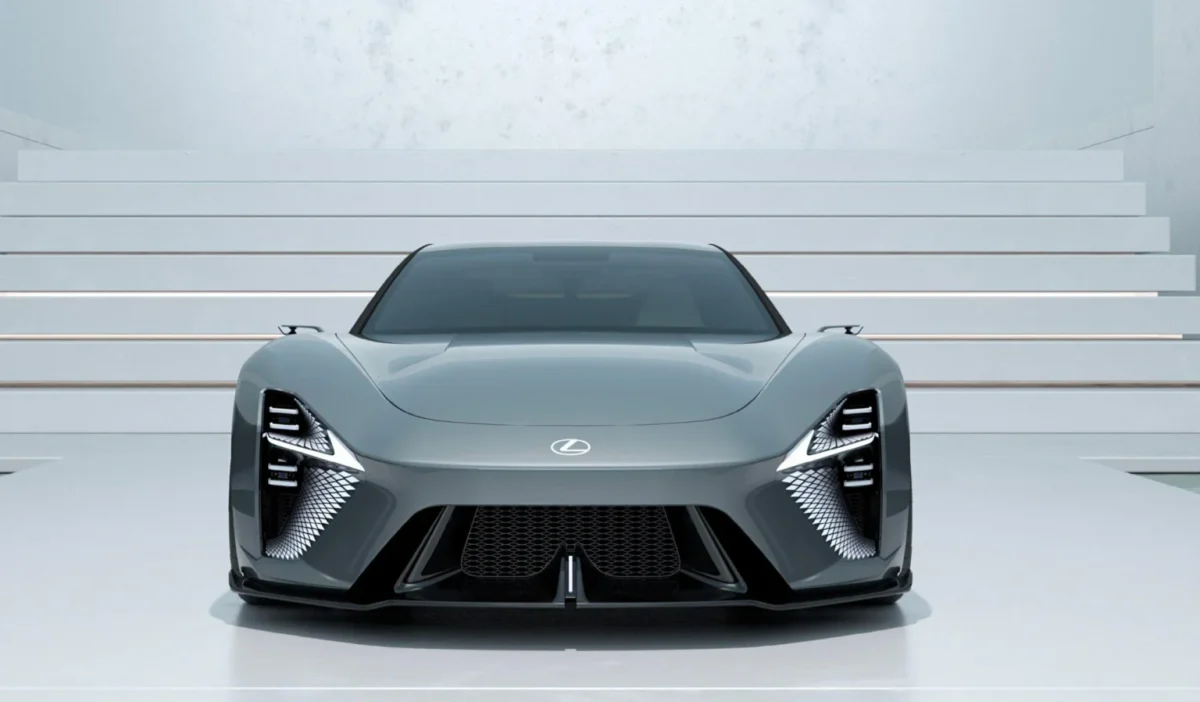
The next Lexus LFA could bring a surprising feature to the electric supercar world: the sensation of changing gears like a traditional performance car. Toyota has explored manual-transmission technology for electric vehicles, raising questions about whether the next-generation LFA could offer simulated gear shifts alongside its electric powertrain.
For driving enthusiasts, the idea is intriguing. Toyota can deliver rapid acceleration without conventional gear changes, but some drivers still enjoy the sounds, sensations, and interaction associated with a traditional sports car.
The key question is whether Lexus will bring that experience to its upcoming electric sports car. For now, the possibility remains unconfirmed.
What Toyota’s Patent Could Mean for the Lexus LFA
Toyota has explored ways to give electric vehicles a more traditional manual-driving experience. The automaker’s earlier patent work included concepts for manual-transmission systems designed for EVs, including technology intended to reproduce some of the sensations associated with a conventional gearbox.
As reported by The Drive in its coverage of the Lexus LFA Concept, Toyota had patented manual-transmission technology for electric vehicles in 2022 and filed another patent in 2023 that explored making the experience feel more realistic.
These developments are relevant because an electric vehicle does not need a traditional multi-speed gearbox to deliver power to its wheels in the way a conventional gasoline-powered sports car does. An EV can typically use a single-speed reduction gear, with its electric motor delivering strong torque across a broad operating range.
A simulated shifting system could introduce artificial gear changes and corresponding changes in motor response to create a more engaging driving experience.
However, a patent describes technology an automaker may want to protect or develop. Toyota It does not establish that the technology will reach production, and Toyota has not confirmed that this particular system will be fitted to the next Lexus LFA.
The New Lexus LFA Is Being Developed as an Electric Sports Car
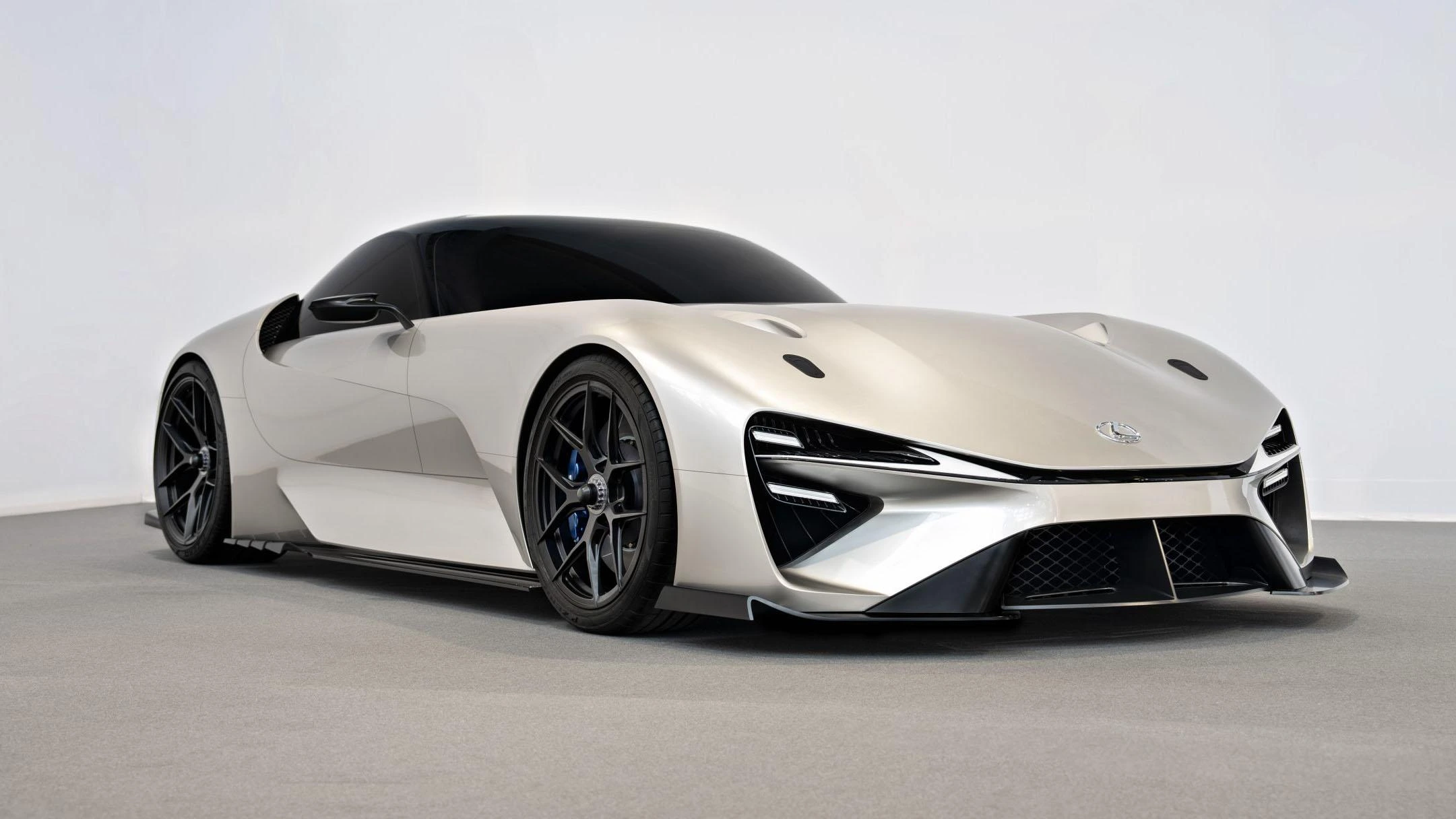
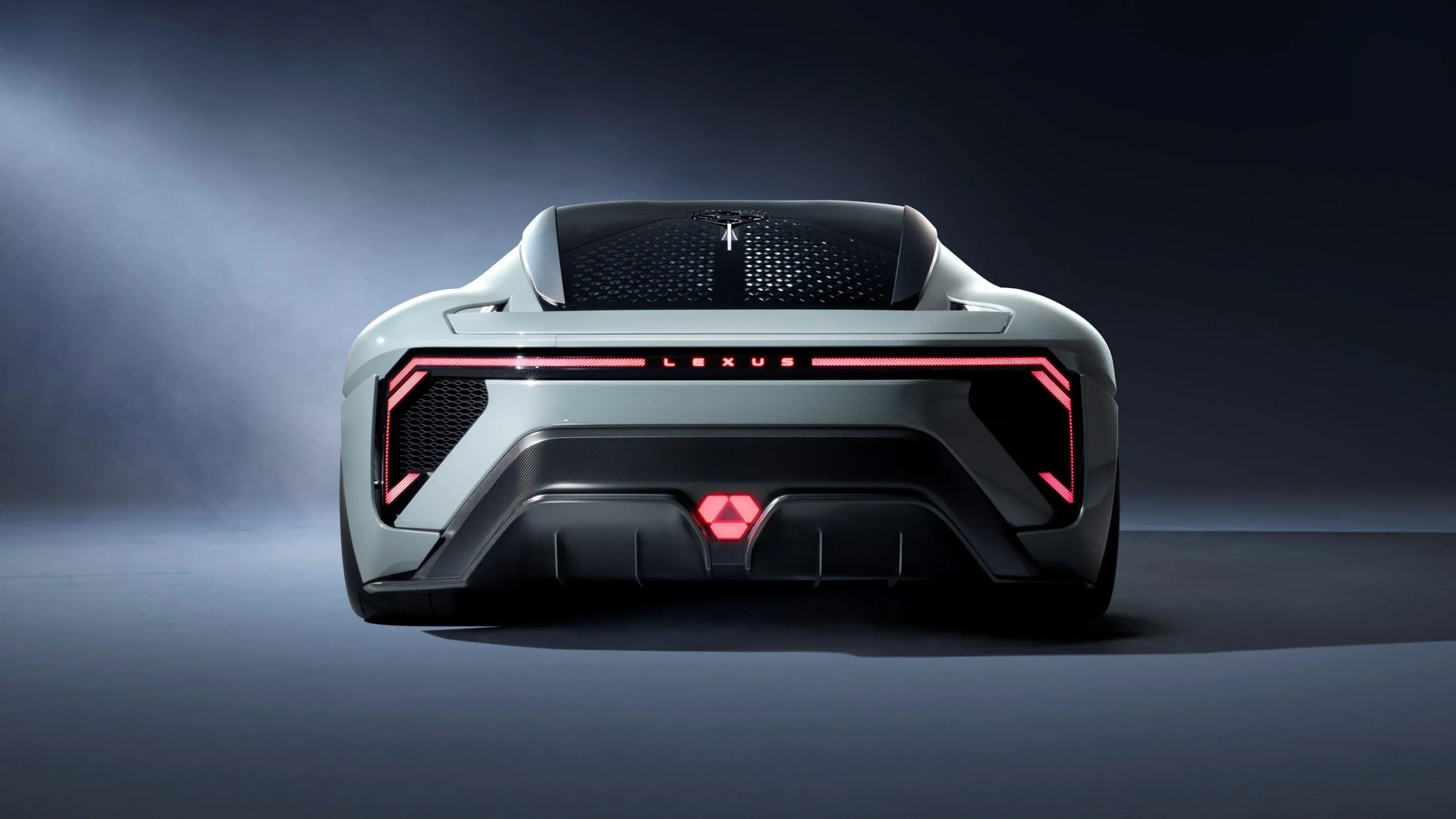
The return of the LFA name is already significant for sports-car fans. On December 5, 2025, Lexus officially unveiled the Lexus LFA Concept as a battery-electric sports car.
According to Lexus’s official announcement, the concept is being developed alongside the Toyota GR GT and GR GT3. The three projects share an emphasis on driving performance, low center of gravity, structural rigidity, and aerodynamic development.
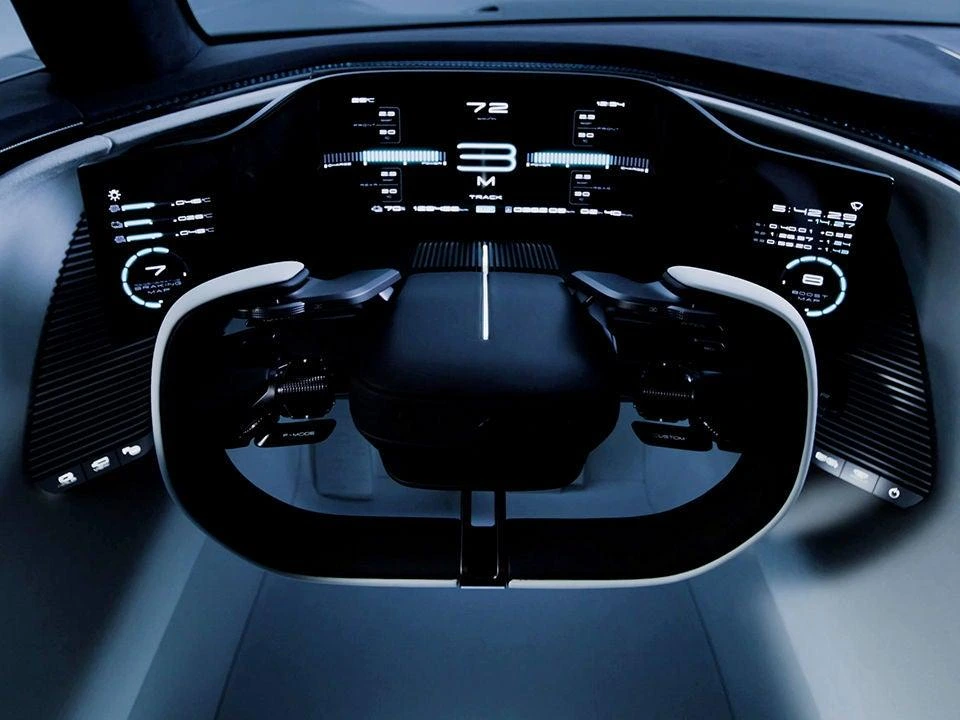
The LFA Concept also carries forward the original model’s focus on an immersive driving experience. Lexus has described its approach as “Discover Immersion,” emphasizing the relationship between the driver, cockpit, controls, and vehicle.
That philosophy could make the idea of simulated gear changes particularly interesting. If Lexus wants its electric flagship to appeal to enthusiasts who value driver involvement, it may explore ways to make acceleration feel more interactive than simply pressing the accelerator.
Still, the concept’s electric powertrain is confirmed; a simulated manual transmission is not.
Why Would an Electric Car Need Gear Shifts?
At first glance, adding simulated gear changes to an EV might seem unnecessary. Electric motors can deliver power smoothly without the traditional shifting process required by many gasoline-powered vehicles.
But driving enjoyment involves more than acceleration figures.
In a conventional sports car, the driver may coordinate throttle input, engine speed, gear selection, and braking. Gear changes can create a rhythm that makes driving feel more involving, especially on a winding road or racetrack.
A simulated shifting system could recreate some of those sensations through software-controlled changes in motor output, sound, and other vehicle responses. Depending on how it is engineered, it could also introduce paddle controls or a shift lever designed to make the experience more familiar to sports-car drivers.
The challenge would be making the system feel convincing without compromising the benefits of an electric powertrain.
If the implementation is well executed, simulated shifts could offer a more engaging driving mode while allowing the car to retain smooth, uninterrupted power delivery in a conventional EV setting.
There is an important distinction, though: simulated gear changes are not necessarily the same as a mechanical multi-speed transmission. The actual hardware and software would determine how the experience works.
Lexus Has Already Confirmed That Sound Matters
One of the most interesting aspects of the electric LFA project is Lexus’s approach to sound.
During the concept’s unveiling in December 2025, project manager Takashi Doi told The Drive that sound development was important for the battery-electric sports car. The publication reported that the team was evaluating how the vehicle should sound, while the possibility of simulated gear shifts remained undecided.
You can read the original coverage in the drive’s report on the electric Lexus LFA.
Sound and shifting could work together to make an EV feel more involving. For example, a simulated shift could be accompanied by a change in the vehicle’s sound and a carefully controlled change in acceleration response.
That would not reproduce the exact mechanical character of the original LFA’s naturally aspirated V10 engine. Instead, it would create a new interpretation of performance-car feedback for an electric vehicle.
Whether Lexus chooses an artificial engine note, simulated shifts, or another approach remains to be seen.
How the New LFA Could Differ From the Original
The original Lexus LFA earned a reputation for its high-revving 4.8-liter V10 engine, distinctive sound, and carefully developed driving experience. Production was limited to 500 examples, making it one of Lexus’s most recognizable performance cars.
The new LFA concept takes a different direction. Rather than simply recreating the original formula with a modern combustion engine, Lexus is exploring what an electric sports car can offer.
That means the next LFA’s character could be defined by a different combination of performance, sound, cockpit design, and driver interaction.
Simulated shifting, if adopted, could become one way to connect the electric model with the enthusiast appeal of its predecessor. But it would be only one part of the larger engineering challenge.
Lexus has also highlighted a low center of gravity, a lightweight yet rigid structure, and aerodynamic performance as key development priorities. Those factors are likely to matter more to the car’s fundamental handling than any simulated gearbox effect.
Will the Next Lexus LFA Actually Have Simulated Gear Shifts?
There is no confirmed answer yet.
Toyota’s patent work shows that the company has explored ways to bring manual-driving sensations to electric vehicles. Lexus has also made clear that sound and driver immersion matter to the electric LFA project.
However, neither fact confirms that a simulated manual transmission will be included in the production car.
The final decision could depend on how Lexus evaluates the system’s driving feel, performance, complexity, and appeal to customers. It is also possible that such a feature could be offered as a selectable driving mode rather than being central to the car’s operation.
Until Lexus announces the production model’s technical details, claims about a manual gearbox, paddle-shift system, or race-car-style transmission should be treated as speculation.
What This Means for Electric Sports Cars
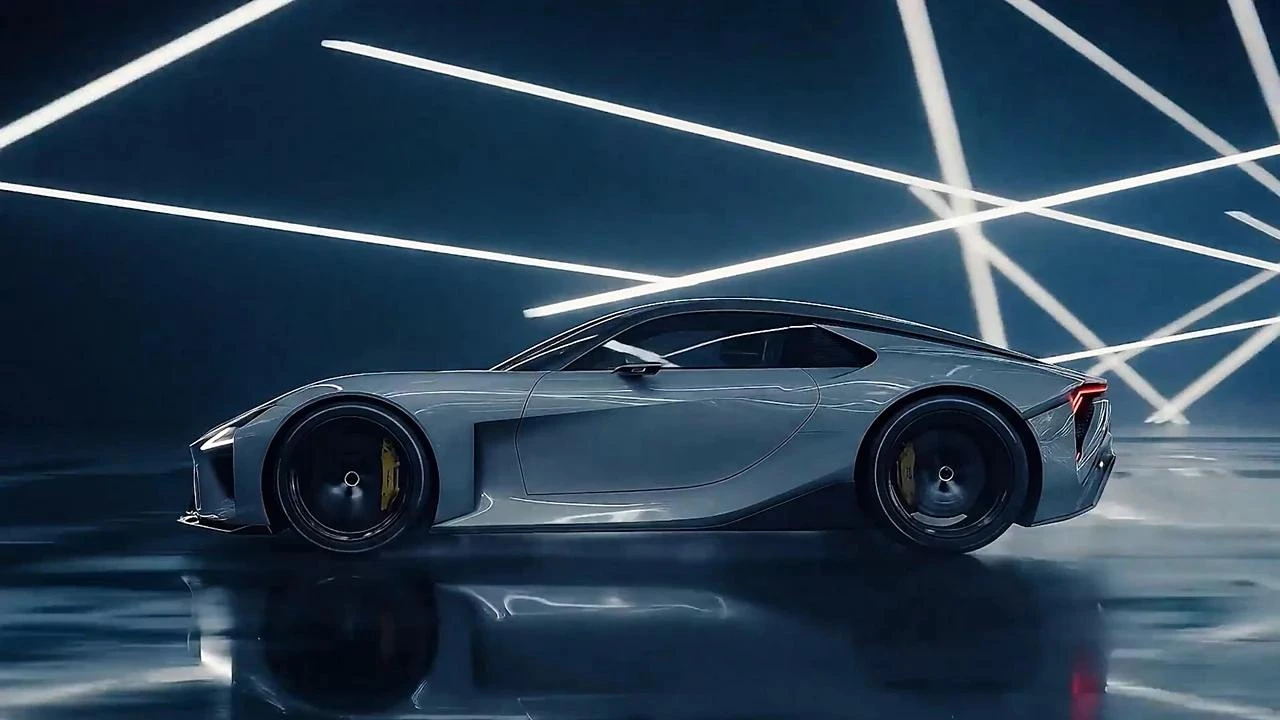
The discussion around the Lexus LFA highlights a broader question facing performance-car makers: how can electric vehicles deliver both the benefits of electrification and the emotional experience enthusiasts expect?
Instant torque and rapid acceleration are natural strengths of electric motors. But manufacturers are also exploring ways to make electric performance cars feel distinctive through steering, sound, cockpit design, and driver-focused controls.
A convincing simulated shifting system could become one option for brands looking to bridge the gap between traditional sports cars and electric performance.
For Lexus, the challenge is especially meaningful because the LFA name carries a strong association with engine character and driving emotion. The new model does not need to copy every feature of the original, but it will need its own identity.
Final Takeaway
Toyota’s patent work has renewed interest in the possibility of race-car-style shifting for the next Lexus LFA. The idea makes sense as an exploration of how an electric sports car could deliver a more involving driving experience.
But the distinction between a patent, an engineering possibility, and a confirmed production feature is important. Lexus has revealed the LFA Concept as an electric sports car and has discussed the importance of sound development, but simulated gear shifts have not been confirmed.
For now, enthusiasts will have to wait for further technical details to learn whether the next LFA will offer a new way to experience electric performance.
Frequently Asked Questions
Is the new Lexus LFA going to be electric?
Lexus unveiled the LFA Concept as a battery-electric sports car in December 2025. Details about the final production vehicle may differ as development continues.
Will the new Lexus LFA have a manual transmission?
Lexus has not confirmed a conventional manual gearbox or a simulated manual-transmission system for the production car.
Why is Toyota exploring manual-style shifting for EVs?
Simulated gear changes could make an electric vehicle feel more interactive by recreating aspects of traditional gear changes, potentially including changes in sound and motor response.
Has Lexus confirmed simulated engine sounds for the new LFA?
Lexus has discussed sound development as an important part of the electric sports car’s character. The final sound design and its production implementation have not been fully detailed.
When will the new Lexus LFA go on sale?
Lexus has not provided a confirmed retail launch date in the official concept announcement. Buyers should wait for an official production timeline and specifications.