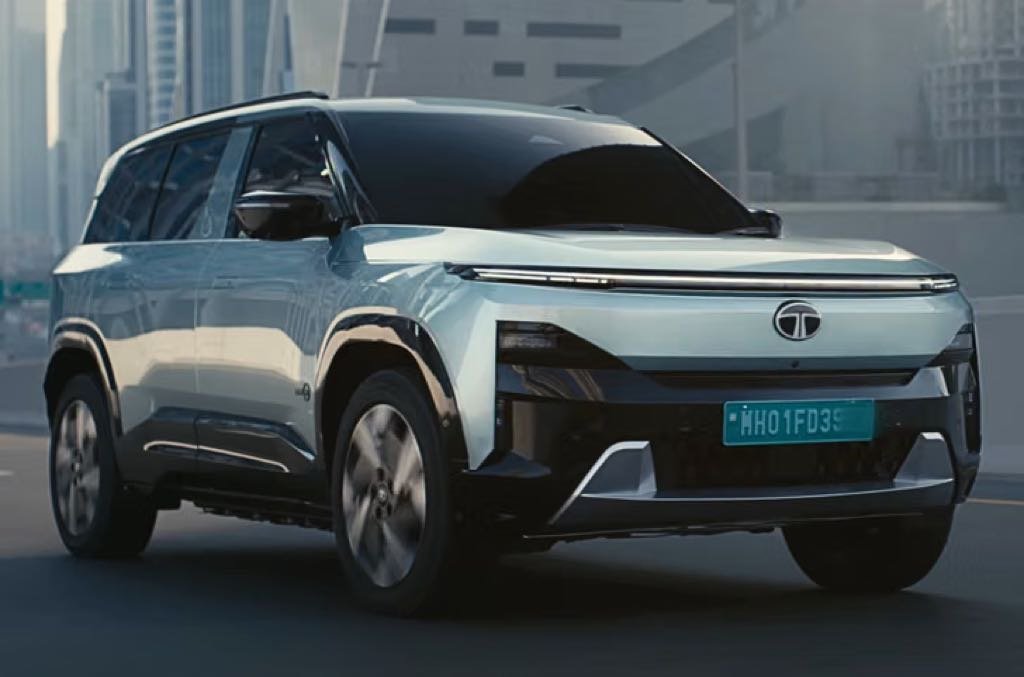
Tata.ev is expanding its Battery-as-a-Service (BaaS) scheme across its entire electric vehicle lineup, making electric car ownership more accessible to Indian buyers. The initiative aims to reduce the initial purchase cost of electric vehicles by separating the battery cost from the vehicle’s upfront price.
With rising interest in electric mobility, Tata.ev’s expanded BaaS offering could attract customers who want to switch to electric cars without making a large initial investment. The scheme introduces an alternative ownership model in which customers pay for the vehicle separately from the battery usage charges.
What Is Tata.ev’s Battery-as-a-Service Scheme?
Battery-as-a-Service is an EV ownership model that separates the cost of the battery from the purchase price of the car. Instead of paying the entire battery cost upfront, customers purchase the vehicle at a lower initial price and pay a separate fee for battery usage.
This approach can make electric cars more affordable at the time of purchase. It also gives customers another way to manage their monthly transportation expenses.
Under the BaaS model, the battery-related charges are separate from the vehicle’s purchase price. The applicable payment structure, usage charges and contractual conditions depend on the specific model and scheme.
Tata.ev Expands BaaS Across Its Electric Car Range
By extending the Battery-as-a-Service scheme to its entire EV lineup, Tata.ev is making this ownership option available to a wider group of customers.
Tata.ev has established a presence in India’s electric passenger vehicle market with models designed for different customer requirements. Offering BaaS across its range could help buyers compare electric vehicles based on their initial budget rather than considering the complete battery-inclusive price alone.
The expanded scheme is particularly relevant for customers who are interested in electric cars but are concerned about the higher upfront cost compared with conventional petrol or diesel vehicles.
However, the actual savings will depend on the selected vehicle, battery usage charges, financing arrangements and the duration of ownership.
How Does Battery-as-a-Service Reduce the Initial Cost?
The battery is one of the major components contributing to the overall cost of an electric vehicle. Under a conventional purchase arrangement, the buyer pays for the vehicle and its battery together.
With BaaS, the battery cost is handled separately, reducing the amount customers need to pay initially.
For example, a customer comparing two purchase options may find that the battery-inclusive version requires a larger upfront payment, while the BaaS version has a lower initial vehicle price but includes recurring battery-related charges.
This can be useful for buyers who prefer to preserve their savings or manage expenses through regular payments.
Nevertheless, customers should compare the total cost of ownership over several years before deciding which option suits their budget.
Benefits of Tata.ev’s BaaS Scheme
1. Lower Upfront Purchase Cost
The primary attraction of BaaS is the possibility of purchasing an electric car with a smaller initial investment. This may make EV ownership more accessible to first-time buyers.
2. More Flexible Budget Planning
Separating battery-related payments from the vehicle price can help customers plan their expenses. Buyers should check whether charges are fixed, usage-based or subject to other contractual conditions.
3. Wider Choice Across the EV Range
Extending the scheme across the lineup allows customers to explore different Tata.ev models while considering the BaaS payment structure.
4. Potential Support for EV Adoption
A lower initial purchase price may encourage more customers to consider electric vehicles, particularly those who are interested in reducing their dependence on petrol and diesel.
What Buyers Should Check Before Choosing BaaS
Although the scheme can reduce the initial purchase cost, it is important to understand the complete payment structure.
Customers should check the following points before booking an EV under BaaS:
- Battery usage charges: Understand how the recurring payment is calculated.
- Minimum usage requirements: Check whether the agreement includes minimum monthly payments or usage commitments.
- Contract duration: Review the agreement period and renewal conditions.
- Battery warranty: Understand the coverage, exclusions and responsibilities of the service provider.
- Additional charges: Check for taxes, service fees, penalties or other applicable costs.
- Resale conditions: Confirm how the BaaS agreement affects the transfer or resale of the vehicle.
- Total ownership cost: Compare the combined vehicle price and battery payments with the conventional purchase option.
These details can make a significant difference to the overall cost of owning an electric car.
Will Tata.ev’s BaaS Scheme Make EVs More Affordable?
The expanded scheme could make Tata.ev’s electric vehicles more accessible to customers who find the upfront price of an EV difficult to manage.
However, a lower initial price does not automatically mean a lower overall cost. Buyers who drive long distances or keep their vehicles for many years should carefully calculate the cumulative battery payments.
For customers who prefer a smaller initial investment, the BaaS option may offer a useful alternative. Those who prefer a single upfront purchase may find the conventional battery-inclusive model easier to manage.
The right choice will depend on driving habits, ownership duration and personal financial preferences.
Conclusion
Tata.ev’s decision to extend its Battery-as-a-Service scheme across its entire electric vehicle lineup represents a broader approach to making EV ownership more flexible. By separating the battery cost from the vehicle’s upfront price, the company is giving buyers another way to enter the electric mobility market.
The scheme could help customers manage their initial investment while exploring Tata.ev’s electric car range. Before making a purchase, buyers should compare the complete BaaS charges, contractual terms and long-term ownership costs with the conventional buying option.
As India’s electric vehicle market continues to develop, flexible ownership models such as BaaS could become an important part of the transition towards electric mobility.
Frequently Asked Questions (FAQs)
1. What is Tata.ev’s Battery-as-a-Service scheme?
It is an EV ownership model in which the battery cost is separated from the vehicle’s upfront purchase price, with battery usage covered through separate payments.
2. Which Tata.ev models are covered under the expanded scheme?
The announcement indicates that the BaaS scheme is being extended across the Tata.ev lineup. Buyers should confirm the availability and terms for their chosen model.
3. Does BaaS reduce the initial cost of an electric car?
Yes, the model is designed to lower the initial vehicle price by separating the battery cost. Additional battery-related payments still apply.
4. Is Battery-as-a-Service cheaper than buying an EV outright?
Not necessarily. The overall cost depends on battery usage charges, contract duration, driving distance and other applicable fees.
5. Should buyers choose BaaS or a conventional EV purchase?
Buyers should compare the upfront price, recurring charges and total ownership cost based on their driving habits and expected ownership period.